About Me
My passion for this work runs deep—it has never felt like a job.
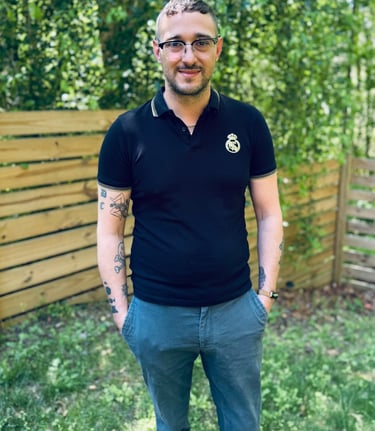
Philip Dorling - Coach
We Do Recover
We Do Recover
We Do Recover
I've fought hard for my recovery, desperately at times. Like so many others, I didn’t think I would make it through my last battle with substances and mental health episodes. I was self-destructing in every way possible and came close to accepting that my own self-destruction was inevitable and deserved. My family has a history of substance abuse and mental illness, so chaos and instability felt normal to me growing up.
I'm proud to represent myself as someone in long-term recovery from addiction, mental illness, and trauma. Shame and stigma still exist in our society, but when people with lived experience speak openly and advocate for themselves and others, it creates understanding and helps foster acceptance within the individual and communities. I believe people in recovery can stand at the top of a mountain screaming and shouting about their recovery for everyone to hear. That’s what I do in my own life—show others that recovery is possible and that we are more than diagnoses or labels placed on us both others, and ourselves. I don't force anyone to talk openly in the community about their addictions or mental health issues, but I believe that being open about these struggles helps smash stigma. I feel that if we only share our recovery with other people in recovery we aren't really helping the greater movement of owning our struggles and showing people what it looks like to change their life path and overcome anything.
Before recovery, I had a successful career as a filmmaker in Los Angeles and New York, where I grew up. I worked on impressive projects, but behind the scenes I was self-sabotaging—missing important meetings, staying out all night drinking or using cocaine, and canceling commitments out of shame. Over time, substance use became routine and consumed my mental energy. On the outside, I looked like an outgoing and talented filmmaker - until I didn't. Inside I felt like a failure and believed I was destined to live as a tortured soul. I romanticized the idea of the “crazy artist” who lived fast and died young.
The last time I used cocaine is still burned into my mind like a sort of traumatic feeling of grief and being totally broken I felt that one way or another some part of me was dying from an irreversible illness. More than ever before I felt that my life was going to end soon, self destruction felt imminent. I was at my house in the middle of the day at came across some hidden cocaine I stashed at some point and forgot about. Cocaine was my drug of choice along with hard liquor and soon as I saw the bag I immediately felt like I had no choice but to do it, even though part of me really didn't want to. Soon as I consumed it a wave of suffering came over me, and I began to plead to myself and cry. I remember saying to myself over and over, “I fucking hate this.” It had stopped being enjoyable and felt more like going to a job I hated every day. I got sober on May 9, 2019, and that date is more important to me than anything else. It was the day I chose to turn away from self-destruction and begin learning how to live life in a completely new way.
Three years into recovery, I was working as a Peer Support Specialist, attending college full time, and caring for my newborn son as his primary caregiver. I thought I was doing well until I was prescribed Wellbutrin to help quit smoking cigarettes. What I did not know was that this medication had a stimulant effect and for me I instantly started ramping up. On top of the stress of being a main caregiver, going to college full time, and doing a lot of recovery community service I started to present odd behavior and maybe even embraced the stimulant wave as I had been addicted to a stimulant in the past. Within a week, I experienced severe changes—little sleep, loss of appetite, emotional breakdowns, rage, and intense mood swings. Some of my darkest struggles came after being sober for three years. I was so afraid I was going to hurt my son, myself or someone else because I had gotten so out of control so fast and I was incredibly unpredictable. I really felt like I was not longer controlling my actions and someone else must be pulling the levers. My wife noticed changes in my behavior, she kept saying I looked like I had "crazy eyes", and there were moments during that time that still haunt me deeply. My little 1 and a half year old son's face of shock and fear as I looked in his eyes yelling at him for no reason will never go away, but just like hitting rock bottom with substance abuse I was hitting rock bottom with my mental health.
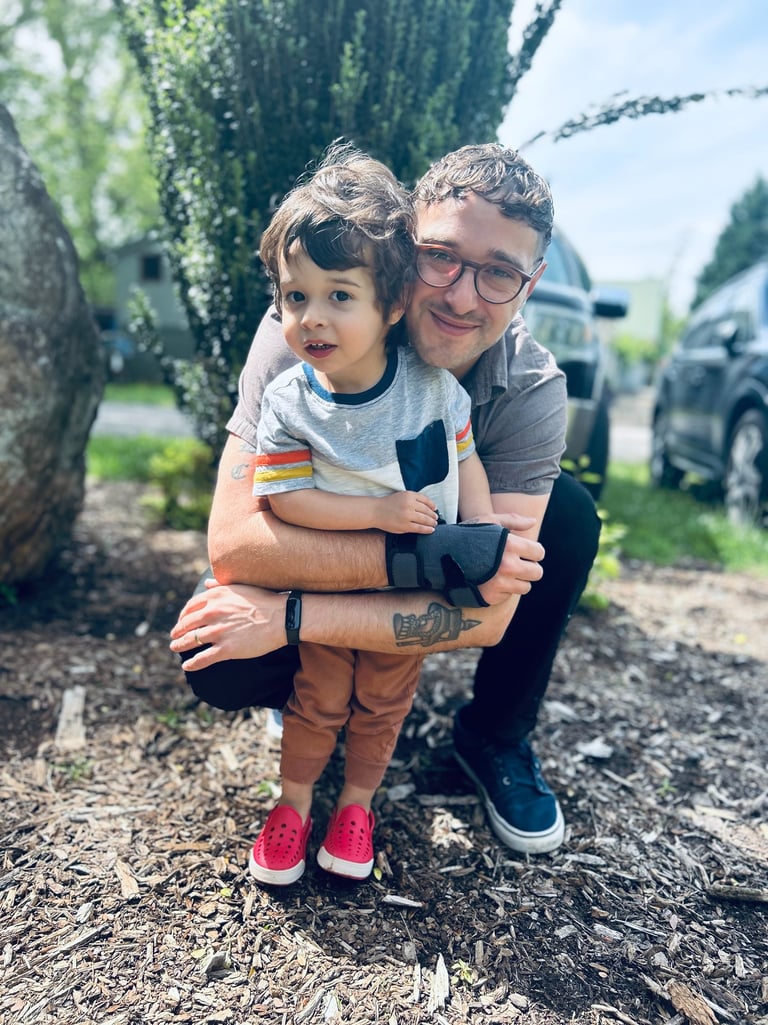
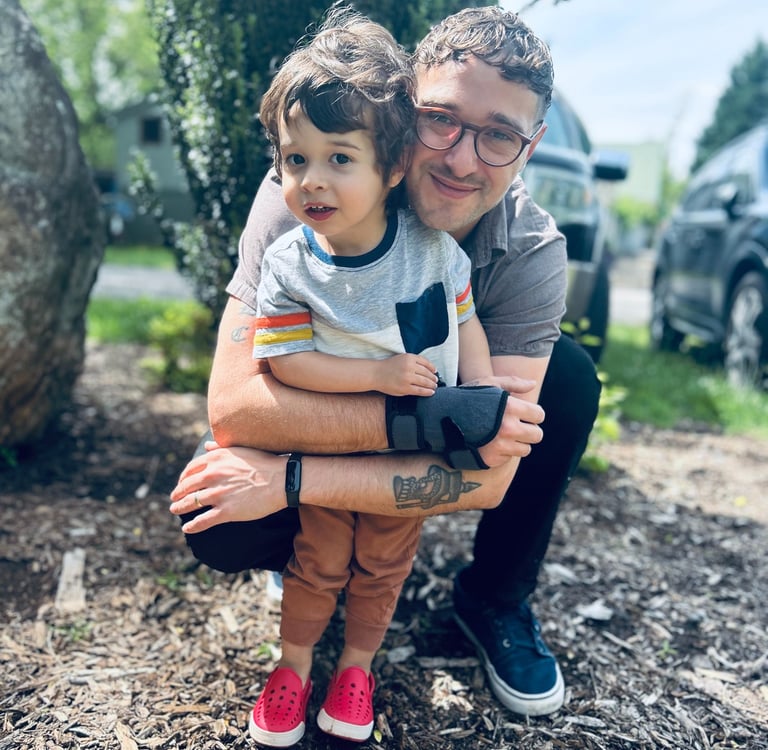




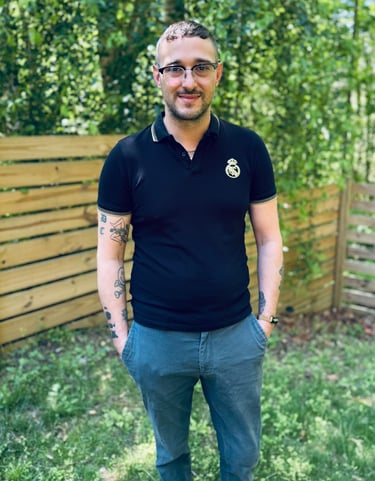
Finding a therapist I’ve worked with for over three years has been life-changing, and my psychiatrist worked closely with me to find the right medication combination. I leaned into support from both mental health and substance use recovery communities, and through that process I felt even more compelled to help others facing similar struggles. Today, I share my story because I believe recovery is about reclaiming the parts of ourselves we thought were lost. It can be a lonely road, and white-knuckling through suffering only works so long. We need connection, understanding, and support from people who have walked similar paths. As someone in recovery, I feel a deep responsibility to share what I’ve learned and to help others see that healing is possible, even when it feels out of reach.
That clarity was powerful, but also heartbreaking. I realized I had struggled since I was 11 years old emotionally without understanding why. Even though I had many mental health issues over the years, my psychiatrist asked me if I ever though I was bipolar, and I immediately said yes. I was hospitalized at age 15 for a mental breakdown pertaining to suicide and self harm. Unfortunately 25 years ago we didn't know as much about the nuances of mental illness, especially in brooding teenagers. I learned that recovery from substances is only one part of the journey—mental health and trauma are often underneath it all, and substance use is often a form of self-medication.
As someone in recovery and working in behavioral health, I knew something was deeply wrong. I had enough experience with mental breakdowns, or what I referred to as nervous breakdowns as a kid and enough knowledge as a professional to know something was organically wrong. I couldn't shake the feeling that something had died inside of me and I'd never get it back. This feeling led to so much suffering and uncontrollable crying and aggressive outburst inward and outward. I sought help from a psychiatrist who diagnosed me with Bipolar II very quickly, along with possible ADHD and OCD—which all have symptoms that often overlap. As we talked, many parts of my life finally started to make sense.